
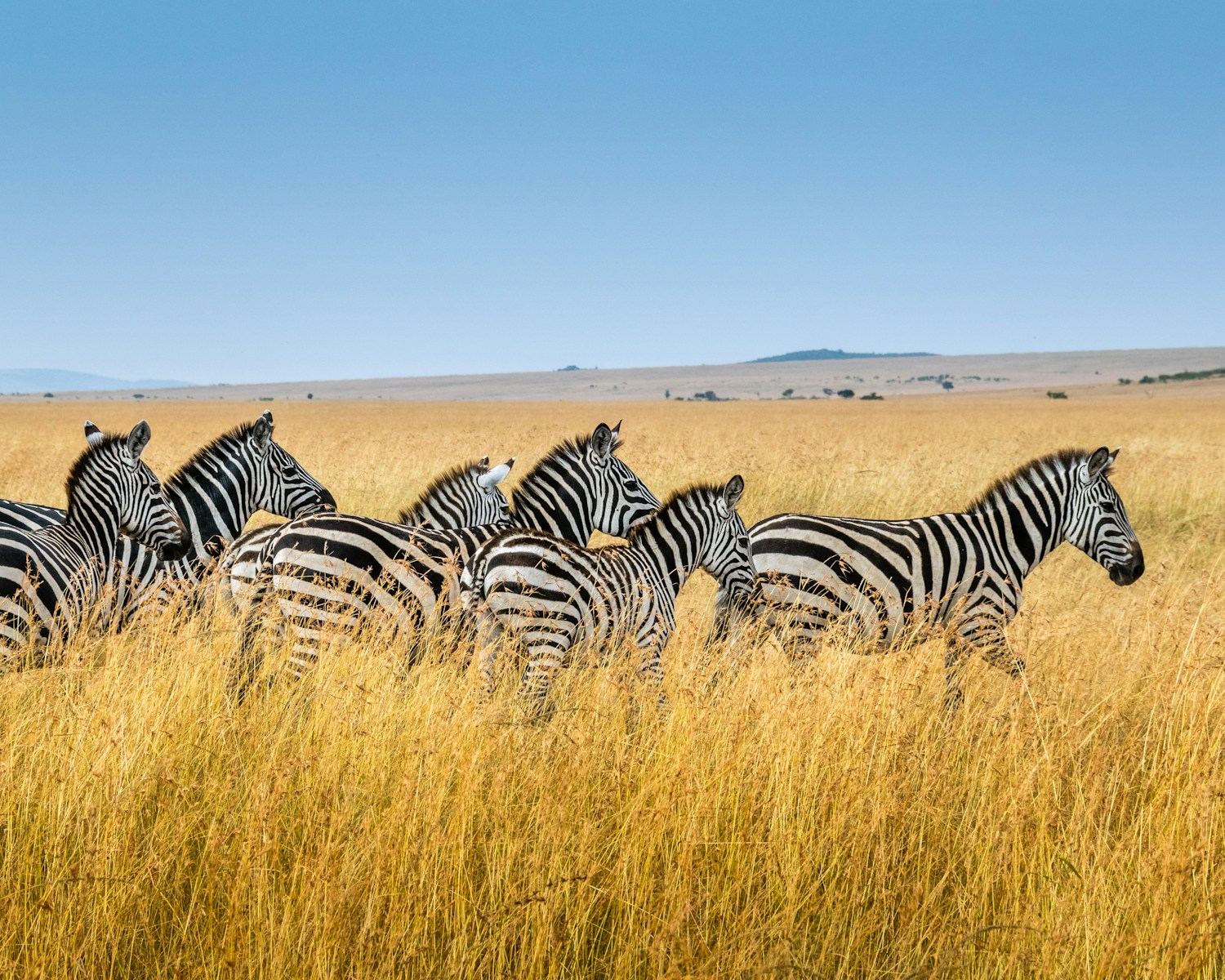
Why is it important to consider wildlife when planning an outdoor activity?
Have you ever been on a walking or outdoor camping journey and wondered, “Why is it important to consider wildlife when planning an outside activity?” I’ve asked myself this question lot of times, specifically after a close encounter with a curious deer throughout an outdoor camping journey. That minute made me realize how essential it is to think of wildlife before heading outdoors. Let’s check out why considering wildlife matters and how it can make your outside adventures much safer, more satisfying, and environmentally responsible.
What Does It Mean to Consider Wildlife?
When we discuss thinking about wildlife, we indicate thinking of how our actions affect animals and their environments. It’s about bearing in mind the creatures that call the outdoors home and guaranteeing we do not interrupt their lives.
For instance, leaving food out might appear safe, but it can bring in animals and cause unsafe encounters. I learned this the hard way when a raccoon robbed my campsite due to the fact that I forgot to store my snacks effectively.
Why Is It Important to Consider Wildlife?
Thinking about wildlife isn’t simply about protecting animals– it has to do with developing a balanced relationship between human beings and nature. Here’s why it matters:
- Protecting Animal Habitats
Wildlife depends upon their environments for survival. When we disturb these spaces, we run the risk of damaging the animals that live there.
- Guaranteeing Human Safety
Animals can be unforeseeable. By considering wildlife, we reduce the danger of unsafe encounters.
- Protecting Ecosystems
Every creature contributes in its community. Disrupting wildlife can have causal sequences on the whole environment.
How to Consider Wildlife When Planning an Outdoor Activity
Planning an outdoor experience? Here are some practical ways to think about wildlife:
- Research study the Area
Before you go, discover the local wildlife. Exist bears, snakes, or threatened species? Understanding what to expect helps you prepare.
- Follow Leave No Trace Principles
Load out all trash, avoid selecting plants, and remain on designated trails. This decreases your impact on wildlife environments.
- Shop Food Properly
Usage bear-proof containers or hang food out of reach. This keeps animals safe and prevents them from ending up being depending on human food.
My Personal Experience with Wildlife Encounters
I’ll always remember the time I went hiking in a national forest and came across a family of foxes. Initially, I was thrilled. But then I understood how close I was to their den. I quickly backed away, remembering the importance of giving animals their space.
That experience taught me to constantly consider wildlife and respect their limits.
The Consequences of Not Considering Wildlife
Neglecting wildlife can result in severe issues. Here are a couple of examples:
- Animal Attacks
Feeding or approaching animals can provoke them. I’ve heard stories of individuals getting too near to bears or moose, leading to unsafe circumstances.
- Environment Destruction
Trampling through sensitive locations can harm plants and interfere with animal homes.
- Spread of Disease
Human food can make animals sick. Feeding wildlife may seem kind, however it can hurt them in the long run.
How Wildlife Benefits from Our Consideration
When we consider wildlife, we assist secure their natural habits and habitats. This makes sure that future generations can take pleasure in the exact same lovely landscapes and varied species we do today.
For example, by staying on tracks, we prevent soil erosion and safeguard plant life. By keeping our range, we permit animals to live without stress or disturbance.
Enjoyable Ways to Engage with Wildlife Responsibly
You do not have to avoid wildlife completely. Here are some fun and responsible ways to connect with nature:
- Birdwatching
Grab a pair of binoculars and observe birds from a range. It’s a peaceful method to get in touch with nature.
- Wildlife Photography
Capture spectacular images without disturbing the animals. Utilize a zoom lens to get close-up shots.
- Guided Tours
Join an assisted tour led by experts who understand how to think about wildlife while providing an instructional experience.
Teaching Others to Consider Wildlife
Among the finest methods to make a distinction is by sharing what you’ve found out. Teach your family and friends how to think about wildlife throughout outdoor activities.
I as soon as took my niece on a walking and showed her how to identify animal tracks without disrupting them. She enjoyed it, and it was an excellent way to impart respect for nature in the next generation.
Regularly Asked Questions
- What should I do if I encounter a wild animal?
Stay calm, keep your distance, and avoid unexpected motions. The majority of animals will leave you alone if you don’t threaten them.
- Can I feed wildlife if they seem hungry?
No. Feeding wildlife can damage their health and make them dependent on humans
- How can I minimize my effect on wildlife habitats?
Stick to designated trails, pack out all garbage, and prevent loud noises that can disrupt animals.
Last Thoughts: The Importance of Considering Wildlife
Considering wildlife when preparing an outdoor activity isn’t practically being responsible– it’s about respecting the natural world and guaranteeing it thrives for years to come. By taking small actions, we can enjoy the outdoors while safeguarding the animals that make it so unique.