
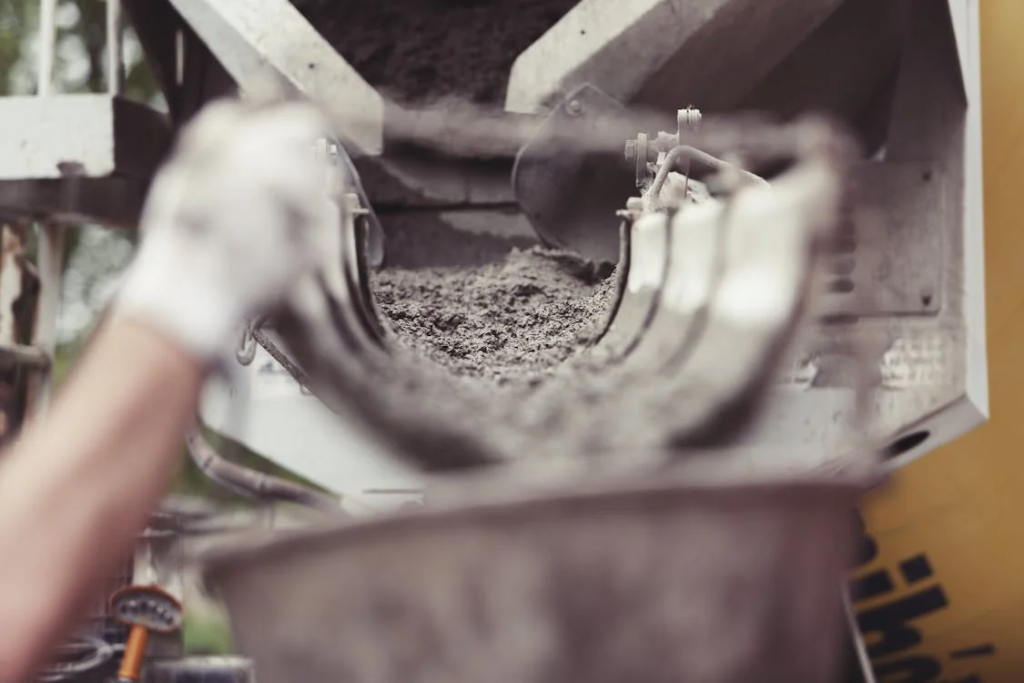
 DIY concrete projects are a great way to save money and add a personal touch to your home. Whether installing a new patio, replacing a driveway, or working on a backyard makeover, skipping professional labor costs is tempting. However, many homeowners quickly realize that what starts as a cost-saving measure can become an expensive headache. Between material miscalculations, tool rentals, and unexpected disposal fees, the hidden costs can pile up fast. One often overlooked factor is brick and concrete waste removal, which, if not planned for, can add substantial expense and stress to the project.
Material Waste and Overages
One of the biggest financial surprises for DIYers is how much material is needed for a project. Concrete is not cheap, and miscalculating the amount can lead to either buying too little or too much. Running short on materials means extra trips to the store, which adds both time and transportation costs. On the other hand, ordering too much concrete results in unnecessary expenses and wasted material that must be appropriately disposed of. Unlike some construction materials, excess concrete cannot simply be left out with regular trash pickup.
Additionally, DIYers often lack the experience to mix concrete efficiently. Poorly mixed batches can become unusable, forcing you to repurchase materials. A professional crew knows how to measure, mix, and pour concrete with minimal waste, but trial and error often leads to extra costs for beginners. If you don’t plan how to handle unused or dried-out concrete, you may pay more for disposal than expected.
Tool and Equipment Rental Fees
Another hidden cost of DIY concrete work is the need for specialized tools. Mixing, pouring, and finishing concrete requires more than just a wheelbarrow and a shovel. Concrete mixers, tampers, screeds, and trowels are all necessary for a professional-looking finish. While these tools can be rented, the costs quickly increase, especially if the project takes longer.
Heavy machinery, such as jackhammers for breaking up old concrete or plate compactors for leveling, also come with high rental fees. Many DIYers underestimate how long they’ll need these tools, resulting in costly rental extensions. Unlike professionals with easy access to these machines, homeowners must factor in pickup, delivery, and possible damage fees. If a tool breaks or malfunctions, you may also be on the hook for repair costs.
Disposal and Cleanup Expenses
One of the most overlooked costs in DIY concrete projects is waste disposal. Once you’ve broken up old concrete or trimmed off excess from a new pour, you’ll need to figure out how to remove it. Many homeowners assume they can toss small amounts in their regular trash bins, but most waste management services have strict regulations against this. Some municipalities require concrete to be taken to specific disposal sites, often for a fee.
Hauling concrete waste to a dump site might seem like a cheaper alternative, but the reality is different. Concrete is hefty, and loading it into a personal vehicle can cause damage to your suspension, tires, and interior. The cost of fuel, dump fees, and potential vehicle repairs can quickly outweigh the price of hiring a professional disposal service. Renting a concrete dumpster is often the most efficient and cost-effective solution. It provides a designated space for debris, eliminates multiple trips to the landfill, and ensures you stay compliant with local disposal laws.
Time and Labor Costs
DIY concrete work is physically demanding, and many homeowners underestimate how much time and effort it will take. Pouring and smoothing concrete is not just about mixing and spreading—it requires precision and speed. If the weather is too hot or windy, concrete can dry unevenly, leading to cracks and weak spots that require costly repairs.
In addition, removing old concrete is backbreaking work. If you don’t have extra hands to help, a weekend project can drag on for weeks, costing you valuable time. For those with busy schedules, the lost time can translate into lost wages or having to hire last-minute help, which negates the original goal of saving money.
How to Avoid These Hidden Costs
The best way to prevent financial surprises in your DIY concrete project is through thorough planning. Before starting, research the materials needed and add a small buffer to avoid shortages. Rent all necessary tools and set a strict timeline to prevent unnecessary extensions. If you’re dealing with old concrete removal, consider renting a concrete dumpster to streamline waste disposal and avoid unexpected fees.
Additionally, don’t underestimate the value of professional consultation. Many home improvement stores offer free advice, and hiring a contractor for an hour to review your plan can prevent costly mistakes. If a project seems too complex, getting professional help for certain stages—like excavation or finishing—can save more money in the long run than a complete DIY attempt gone wrong.
Conclusion
DIY concrete projects can be rewarding but come with hidden costs that many homeowners fail to anticipate. The expenses can quickly escalate beyond the original budget, from wasted materials to tool rentals and disposal fees. By planning carefully, understanding the costs involved, and using services like concrete dumpster rentals, you can avoid unexpected financial strain and complete your project smoothly. Budgeting wisely and preparing for all aspects of the job ensures that your DIY concrete project is successful and cost-effective.