

Many people start weight loss journeys after feeling tired or short of breath during tasks. Walking, climbing stairs, carrying groceries can test limits. These moments push thought on habits and health. Seeing these signs can trigger small changes that matter.
Some seek structured guidance. Working with a medical director weight loss clinic offers treatments like Semaglutide or Tirzepatide with professional care. Mixing personal effort and structured support drives steady progress. Patients gain from check-ins and plans shaped for needs.
Starting a Weight Loss Journey Safely
Weight loss starts with small, steady actions. Track daily food and activity. A journal or mobile app shows patterns and points to areas for change. Watching trends over weeks reveals what works and what fails.
Seeing a healthcare provider matters, especially for people with conditions. Professional review makes sure plans fit personal health. Programs led by licensed clinicians prevent errors like cutting calories too much or missing nutrients. Providers suggest safe ways to add exercise or new treatments over time.
Understanding Your Baseline
Measuring weight alone does not show the full picture. Track body composition, blood pressure, and cholesterol when possible. These numbers show health changes beyond the scale. Regular check-ins let plans change based on results.
Along with tests, note sleep, mood, and energy during the day. If energy drops after meals, changing food can improve output and reduce cravings. Recording details gives a clearer view of how habits affect overall health.
Setting Realistic Goals
Divide goals into steps people reach and focus on small weekly weight loss not large changes while each win builds confidence keeps habits in place and noting gains in stamina sleep mood encourages effort and setting short term targets along long term goals and adding 500 steps each week works better than sudden large increases and slow progress reduces risk burnout injury keeps routines steady.
Combining Habits, Nutrition, and Medical Guidance
Weight loss depends on diet, activity, and sometimes medical care. Meals with protein, vegetables, and grains provide steady energy. Pairing food with daily movement boosts metabolism and health. Eating routines help avoid sugar drops and cravings.
Support can include medical treatments. Drugs like GLP-1 receptor agonists help weight control when combined with habits. A medical director weight loss clinic provides treatments safely with check-ins. Patients can ask questions or report side effects quickly.
Meal Planning and Activity Tips
- Plan meals ahead avoid last minute choices
- Do 150 minutes moderate exercise each week walking swimming
- Use tracking tools stay on track step counters food logs
- Replace sugary drinks water plain beverages reduce calories
- Choose fiber snacks stay full between meals
- Add resistance exercises keep muscle lose weight
Monitoring and Adjusting
Weight loss does not follow a straight path. Plateaus happen and show a need to change habits or food. Programs with professional guidance suggest small adjustments without harming health. Regular changes keep progress steady and prevent frustration.
Watching stress and mental health also aids weight control. Stress can lead to emotional eating and slow results. Short walks, breathing exercises, or journaling help manage stress and keep routines consistent.
Tracking Progress and Adjusting Strategies
Daily tracking helps when it includes several measures. Watch energy, mood, and sleep along with weight. This approach shows progress in health, not only body size. Changes based on data keep routines working and steady.
Get input from professionals when changes are needed. GLP-1 treatments need regular checks for effect and dose. Medical guidance makes sure changes happen safely. Showing progress with charts or graphs can also push continued effort.
Tools for Tracking
- Use mobile apps to track food and activity
- Check weight and measurements each week
- Do lab tests or clinical checkups on schedule
- Write daily habits, moods, and eating triggers
- Set weekly reminders for exercise and meals
Staying Motivated
Support from others helps keep routines. Involve friends, online groups, or clinic groups to share experience and tips. Noting small milestones keeps progress moving without only looking at numbers.
Joining forums or discussion groups gives ways to handle plateaus, cravings, or low motivation. Seeing how others manage issues reinforces sticking to the plan. Sharing wins and challenges also creates community.
Building Consistency Through Professional Support
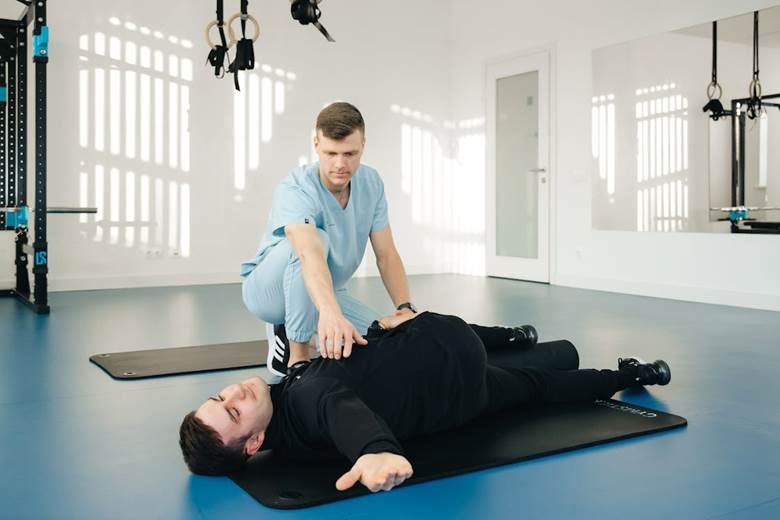
Keeping weight under control long term works best when personal routines join structured programs. Clinics with professional guidance give ongoing check-ins, support based on evidence, and access to licensed doctors when needed. This system lowers uncertainty and lets patients focus on habits with confidence.
Working with professionals also helps clinicians who plan to start or grow practices. Placing a medical director properly keeps practices legal, limits liability, and ensures consistent care for patients using advanced treatments.
Benefits of Professional Support
- Get access to licensed doctors quickly
- Use consistent treatment protocols
- Lower administrative work
- Receive guidance on drugs like Semaglutide or Tirzepatide
- Get help managing clinic documents and rules
- Receive advice on safe ways to give new treatments to patients
Taking Steps Toward Lasting Results
Mixing personal habits with professional guidance gives a safe way to manage weight long term. Track food and activity, set goals, and use structured support when needed. Following these steps helps people improve health steadily and keep confidence in progress. Check habits often to see what works and what needs change. Gradual steps keep routines steady and prevent setbacks.
Programs with daily routines help people stay on track during challenges. Over time, habits become routine and support weight control and overall health. Actions like walking, logging meals, or noting energy add structure. Steady steps with professional guidance produce results that last. Follow-ups and progress notes help people remain consistent and aware of changes.
Conclusion
Weight loss works best when personal effort joins professional guidance. Track habits, set goals, and follow structured programs to keep progress steady. Review daily routines to see what works and what needs change. Regular steps, careful adjustments, and proven treatments help maintain results safely. Balancing daily actions with professional support lets people build lasting health and steady weight control. Recording progress and noting small wins helps keep focus. Patience and persistence bring long-term benefits and steady improvement.