
Key Takeaways
- Probate is the legal procedure to oversee a deceased person’s estate.
- The process covers validating wills, paying off debts, and finally, distributing assets.
- Knowing each step in probate can reduce uncertainty and enable better decisions.
When a loved one dies, the mix of emotional grief and new legal responsibilities can feel overwhelming. Understanding probate administration can help to ease some anxiety during this difficult time. Probate is the official process for ensuring a deceased’s assets are collected, debts are paid, and property is distributed to heirs or beneficiaries as required by law or will.
Whether there is a will or not, navigating probate administration means you must follow certain legal steps to honor your loved one’s wishes and meet your obligations to any creditors or heirs. This guide explains the stages of probate, what is required of the executor or administrator, and the resources available to assist families through the process.
Understanding Probate Administration
Probate is a court-supervised process and, at its core, offers legal assurance that the property of the deceased (the decedent) is handled according to their wishes or, when no will exists, guided by state laws. The process involves several structured stages, from the authentication of the will and collection of assets to paying taxes and debts and, ultimately, distributing what remains to beneficiaries.
Common misconceptions about probate include the idea that it is always long and expensive. While most probate cases take several months to over a year, some estates qualify for faster, simpler proceedings, especially when the estate is small or the assets are jointly owned. Getting informed early on brings peace of mind and can even help expedite the process.
Initial Steps After a Loved One’s Passing
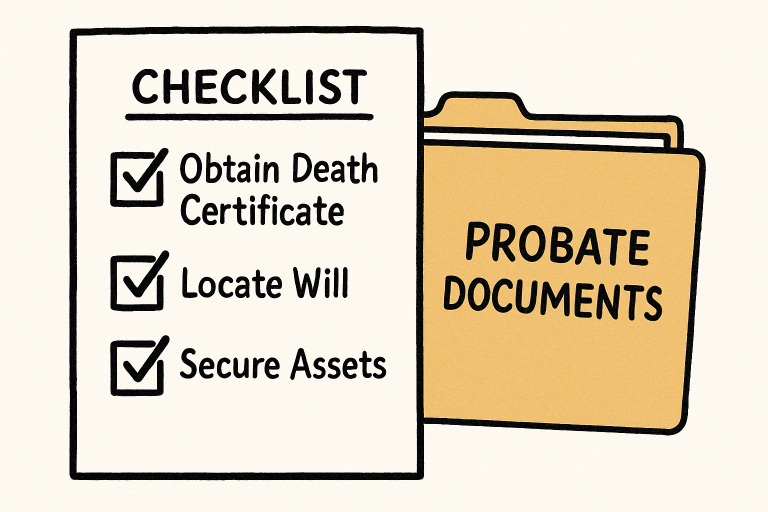
Beginning the probate process involves timely, careful attention to detail. Here are the first actions to take:
- Obtain the Death Certificate: Contact the local vital records office or funeral provider to secure certified copies. These certificates are needed for both legal and financial purposes.
- Locate the Will: If there is a will, it often names the executor. Safeguard the will and all legal documents immediately.
- Secure Assets: Protect the deceased’s property from theft, damage, or misuse. Everything from homes and vehicles to digital assets and financial accounts should be considered and documented.
Filing for Probate
Once the will is found and the death certificate in hand, the executor or would-be estate administrator files a petition with the local probate court. This petition brings the estate under the court’s jurisdiction, and the judge will appoint an executor or administrator. At this stage, official documents (Letters Testamentary, if there is a will, or Letters of Administration, if there is not) grant legal authority to perform estate duties.
Notifying Creditors and Settling Debts
After being appointed, the executor must contact anyone owed money by the deceased. This formal notice allows creditors to submit their claims against the estate. There is usually a set time limit for creditors to file claims. The executor thoroughly reviews and documents valid claims, then pays these debts from the estate’s assets. Maintaining organized, transparent financial records throughout is vital to avoid disputes or mistakes later.
Inventorying and Appraising Assets
The next major step is to create a list of everything owned by the deceased at the time of passing. This includes real estate, vehicles, investments, personal possessions, business interests, insurance policies, and even digital currency or intellectual property. Certain items, such as rare collectibles or property, require professional appraisals to determine market value. Courts frequently require formal inventory documents as part of the probate file.
Distributing the Estate
With debts and taxes paid, the remaining property is distributed. The terms of the deceased’s will direct how and to whom assets are given. If a person dies without a will, known as dying intestate, state law (intestacy statutes) dictates the legal order in which heirs receive property. Executors should ensure all transfers and distributions are documented and that beneficiaries receive clear records. This helps minimize misunderstandings or legal challenges among heirs.
Closing the Estate
Once all requirements are met, the executor submits a final accounting of all income, expenses, distributions, and actions to the court. After reviewing these documents, if the court finds everything satisfactory, it issues an official order to close the estate. This legally discharges the executor’s responsibilities and fully transfers the remaining estate to the heirs or beneficiaries, thereby ending the probate administration.
Seeking Professional Assistance
The probate process can become complicated, especially if family members contest the will, the estate includes unique or disputed assets, or legal questions arise about creditors or taxes. Consulting an experienced probate attorney can save time, legal costs, and emotional strain.
Final Thoughts
Grieving the loss of a loved one is never easy, but knowing how probate administration works and where to find support can make the process more manageable. By following these steps and seeking appropriate legal or professional support, you can efficiently and respectfully finalize your loved one’s affairs.