
Truck accidents remain a pressing safety issue on highways and urban roads, often resulting in devastating consequences for drivers, passengers, and pedestrians alike. The massive size and weight of commercial trucks increase the likelihood of severe injuries and property damage in a collision. For those impacted by truck crashes, consulting a Memphis, TN truck accident attorney can provide essential guidance on legal rights and recovery options.
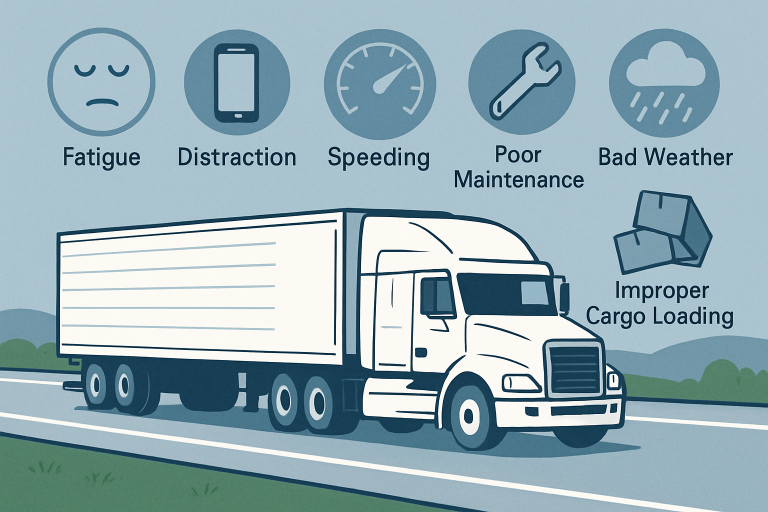
To improve road safety, recognize common truck accident causes and prevention methods. Informed trucking companies, fleet managers, and drivers can reduce risks through safety practices. Commercial truck accidents often result from human errors, equipment issues, and environmental factors. Addressing these causes with prevention strategies can lower collision frequency and severity. Prioritizing safety regulations and fostering a safety culture are essential within the industry.
Driver Fatigue
Extended periods behind the wheel put truck drivers at high risk for fatigue. Fatigue dulls alertness, slows reflexes, and impairs the ability to make split-second decisions. According to the Federal Motor Carrier Safety Administration (FMCSA), driver fatigue is a leading factor in truck crashes. Federal regulations set limits for consecutive driving hours and require mandated rest breaks, yet violations remain prevalent within the industry. The best prevention includes ensuring strict compliance with hours-of-service regulations and promoting a workplace culture that values adequate sleep and rest.
Distracted Driving
Truck drivers face numerous distractions, including mobile phones, GPS navigation systems, radios, and even eating while driving. Distraction can take a driver’s eyes, hands, or mind off the task of driving, significantly increasing the potential for accidents. The Centers for Disease Control and Prevention (CDC) highlights distracted driving as a growing concern across all types of vehicles, not just trucks. Companies can mitigate this risk by developing clear policies prohibiting device use while driving and encouraging employees to pull over safely when they must attend to non-driving tasks.
Speeding
Speeding reduces a truck driver’s reaction time and lengthens the distance needed to stop safely. Large trucks already require more stopping distance due to their weight and size. When excessive speed is added, the margin for error becomes dangerously thin. Strict enforcement of speed limits, along with the use of speed governors in commercial vehicles, can help control this risk.
Poor Vehicle Maintenance
Trucks in poor condition are vulnerable to mechanical failures such as brake issues, tire blowouts, or steering malfunctions. Routine inspections and preventative maintenance are vital for keeping trucks roadworthy. A single lapse in maintenance can lead to catastrophic accidents. Companies should adhere to established maintenance schedules and conduct pre-trip inspections to catch and address issues before they become dangerous.
Improper Cargo Loading
Loading cargo improperly, whether overloading the truck or failing to secure items, alters the vehicle’s center of gravity, making it more susceptible to rollovers or jackknifing. The movement of unsecured cargo during transport can also cause the driver to lose control. Ensuring proper loading techniques, using correct securing equipment, and complying with weight restrictions are crucial steps toward safe hauling.
Adverse Weather Conditions
Poor weather, such as rain, snow, ice, or fog, challenges even the most experienced truck drivers. Reduced visibility, slick roads, and high winds can lead to loss of control or increased stopping distances. Drivers should monitor weather forecasts, adjust their speed, increase following distances, and delay trips if conditions are especially hazardous. Awareness and preparedness can help mitigate weather-related risks. More tips on safe driving in adverse weather can be found in this comprehensive AAA guide.
Inadequate Driver Training
Driving a large commercial vehicle involves managing blind spots, navigating tight turns, and reacting to emergency situations unique to trucks. Without sufficient training, drivers are unprepared for the challenges they may encounter. Comprehensive training programs should cover vehicle operation, defensive driving techniques, cargo management, and emergency protocols. Ongoing education and periodic assessments help keep skills sharp and knowledge up to date.
Conclusion
Truck accidents stem from numerous sources, but nearly all are preventable when trucking companies and drivers commit to comprehensive safety strategies. Implementing proper training, staying up to date with vehicle maintenance, adhering to safe driving practices, and fostering a proactive safety culture can make a measurable difference in road safety. Through education and vigilance, the number of truck-related accidents can be reduced, creating safer roadways for everyone.